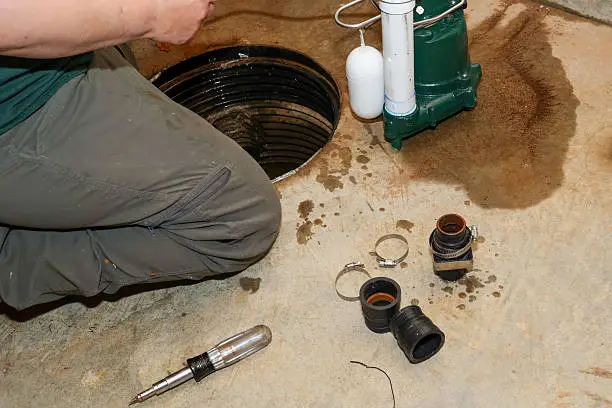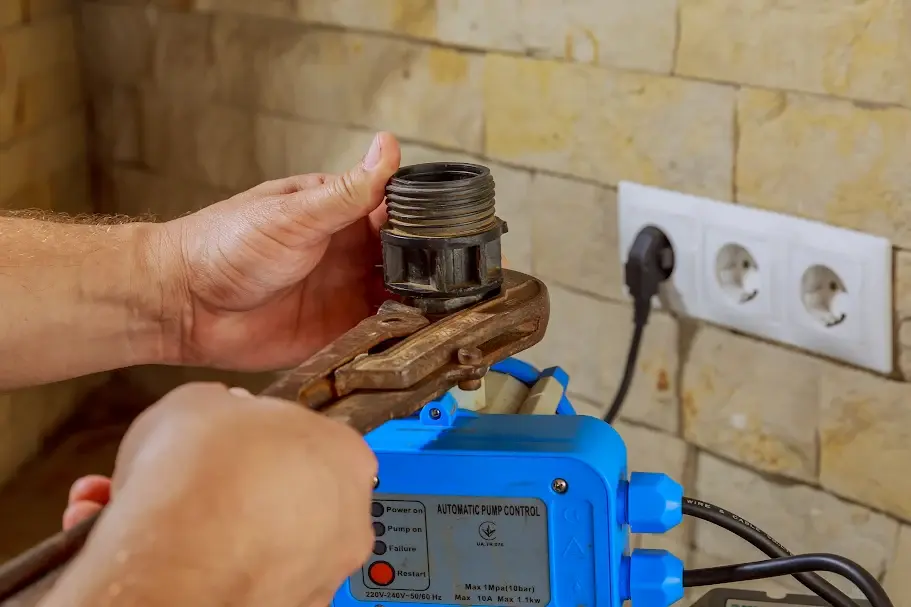
A flooded basement is one of the most stressful and expensive problems a homeowner can face. Excess water can cause mold, structural damage, and costly repairs. Installing a reliable sump pump is one of the most effective ways to protect your home from water damage and maintain a dry, safe basement environment.
This guide provides a detailed, step-by-step overview of sump pump installation, including pump types, cost considerations, installation tips, and maintenance. Whether you’re planning a DIY project or hiring a professional, this guide will give you the insights you need to make informed decisions.
Why a Sump Pump is Essential for Your Basement
A sump pump is designed to collect and redirect water away from your basement, preventing flooding and water damage. Even small amounts of water can create damp conditions that encourage mold growth and damage walls, flooring, and foundation structures.
Homes in areas like Seattle, WA, with high water tables, heavy rainfall, or seasonal flooding, are particularly vulnerable. A correctly installed sump pump by Sump Pump Wizards not only removes standing water but also improves long-term basement waterproofing, keeping your home dry and safe year-round.
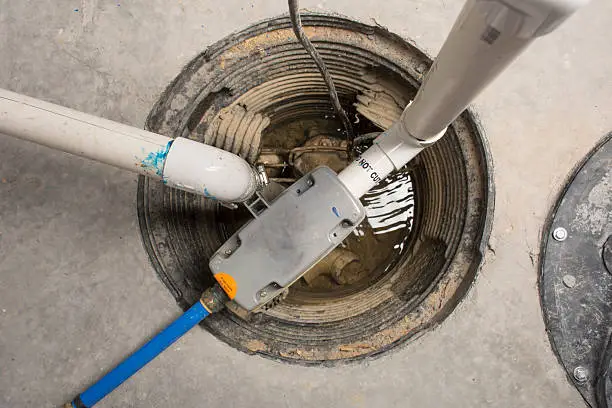
Types of Sump Pumps
Submersible Pumps
Submersible pumps are designed to sit inside the sump pit, fully submerged in water. They are powerful, quiet, and ideal for handling high water volumes. During sump pump installation, submersible pumps are preferred for their durability and efficiency, especially in environments with frequent water accumulation.
Pedestal Pumps
Pedestal pumps have the motor positioned above the sump pit. These pumps are easier to service and typically cost less than submersible pumps. During sump pump installation, pedestal pumps are a good option for basements with shallow pits or limited space, though they are noisier and may not handle large water inflows as efficiently.
Backup Systems
A backup system is highly recommended for areas prone to power outages or heavy storms. During sump pump installation, incorporating a backup system ensures maximum protection. Battery backup pumps automatically activate if the main pump fails, while water-powered backups use municipal water to remove water from the basement. Having a secondary system provides consistent protection, even in emergencies.
Understanding Sump Pump Costs
The cost of a sump pump installation varies depending on the type of pump, labor, and any additional system upgrades. Based on recent data:
- Professional installation: $1,000–$4,000 depending on complexity.
- Submersible pump with installation: $1,200–$3,000.
- Pedestal pump with installation: $800–$1,500.
- Battery or water-powered backup system: Add $1,000–$2,000.
DIY sump pump installation can reduce costs to $325–$525 for materials, but it requires careful planning and proper tools to ensure long-term performance. Extra factors like breaking concrete floors, electrical wiring, and drainage piping can affect the total cost.
Step-by-Step Sump Pump Installation
1. Choosing the Location
Identify the lowest point in your basement for the sump pit. Proper placement ensures efficient water collection and prevents water from pooling elsewhere.
2. Excavation
Excavate a hole for the sump basin, typically about 24 inches deep. Ensure the pit is level to prevent pump tilting and uneven water removal.
3. Installing the Basin
Place a durable plastic or fiberglass basin in the pit, surround it with gravel for proper drainage, and level it carefully.
4. Setting Up the Pump
Position the pump in the pit, connect a check valve to prevent backflow, and attach PVC discharge piping to route water safely away from the foundation.
5. Electrical Connections
Connect the sump pump to a dedicated, GFCI-protected circuit. Follow all local electrical codes to ensure safety and compliance.
6. Backup System Installation
If using a battery or water-powered backup, install it according to manufacturer guidelines to ensure reliable operation during power outages.
7. Testing the System
Pour water into the pit to test the pump’s operation. Ensure the pump activates, drains water properly, and shuts off automatically. This step confirms that the system is functioning correctly before completing the installation.
Maintenance Tips for Long-Term Reliability
Regular maintenance is essential to keep your sump pump functioning properly:
- Test your pump at least twice a year, especially before rainy seasons.
- Inspect the float switch to ensure it moves freely.
- Check the discharge pipe for clogs or ice blockages in cold climates.
- Clean the sump pit of debris or sediment buildup.
- Replace backup batteries every 3–5 years, or as recommended by the manufacturer.
Regular inspections and maintenance can extend the life of your sump pump and prevent unexpected failures during heavy storms.
Protecting Your Basement with Local Considerations
Different regions have varying water conditions, so installation strategies should account for local rainfall patterns, soil composition, and drainage needs. Using a high-capacity pump in flood-prone areas ensures better water removal and more effective residential basement waterproofing.
Homeowners should consider emergency basement flood protection, including battery backup sump pumps and proper discharge routing, to prevent property damage during extreme weather. Regular maintenance and timely sump pump repair keep the system reliable and efficient, safeguarding your home’s foundation and interior spaces.
Conclusion
A correctly installed sump pump is one of the most effective ways to prevent basement flooding and water damage. By understanding the types of pumps, installation process, costs, and maintenance requirements, homeowners can make informed decisions that protect their property. A reliable sump pump not only keeps your basement dry but also provides peace of mind during storms, power outages, and seasonal floods.
Frequently Asked Questions
Q1: How long do sump pumps typically last?
Most sump pumps last 7–10 years, depending on use and maintenance. Regular inspections can extend lifespan and prevent costly failures.
Q2: Do I need a backup system for my sump pump?
Yes. Battery or water-powered backup pumps are essential for flood-prone areas or during power outages. They provide consistent protection and prevent basement flooding when the main pump fails.
Q3: Can I install a sump pump myself?
DIY installation is possible for experienced homeowners. Materials typically cost $325–$525, but it requires proper tools, careful pit placement, and adherence to plumbing and electrical codes.
Q4: How often should I test my sump pump?
Test your pump at least twice a year, preferably before the rainy season. Testing ensures proper operation and identifies maintenance needs early.
Q5: What are common sump pump installation mistakes?
Common errors include: improper pit size, incorrectly routed discharge pipes, lack of check valves, and inadequate backup systems. These mistakes can compromise pump performance and lead to flooding.