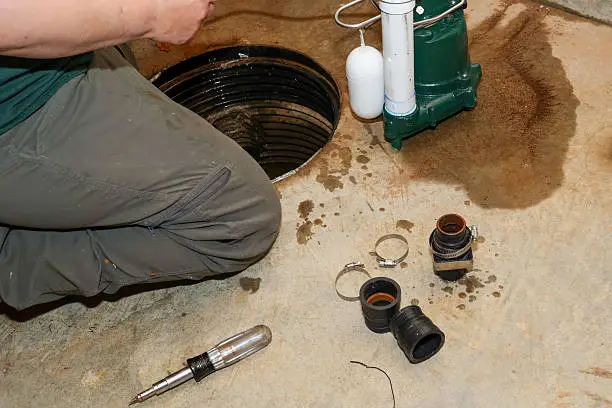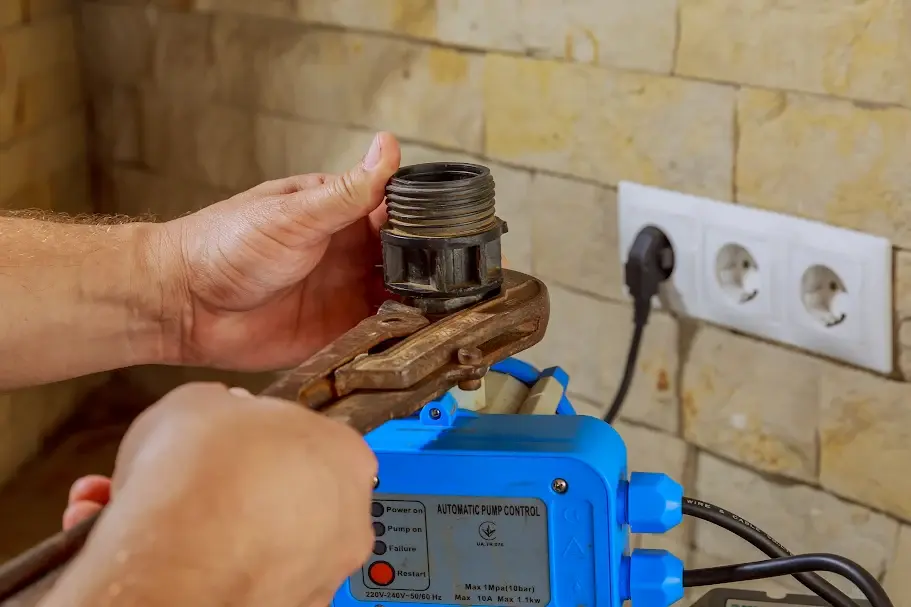
A sump pump is a critical component in protecting your home from basement flooding, yet many homeowners don’t pay attention until it fails. When a sump pump malfunctions, timely sump pump repair is essential, as even a minor issue can lead to water damage, structural problems, or mold growth.
Understanding the common problems and solutions for sump pump repair can help homeowners proactively maintain their systems, prevent emergencies, and safeguard valuable property. This guide is tailored for real homeowners, providing actionable advice and expert insights to keep your basement dry year-round.
Why Sump Pumps Are Essential
Sump pumps remove excess water from basements and crawl spaces, preventing flooding, structural damage, and costly repairs. According to recent data, nearly 98% of basements experience some form of water intrusion during their lifespan. Homeowners in Bellevue, WA can benefit from ensuring timely sump pump repair and maintenance, keeping the system functioning properly, directing water away from the foundation, reducing hydrostatic pressure, and protecting their homes from potential damage.
Homes in regions with high groundwater levels or heavy seasonal rainfall are particularly vulnerable. Regular maintenance and timely sump pump repair can prevent thousands of dollars in damages and preserve your property’s value.
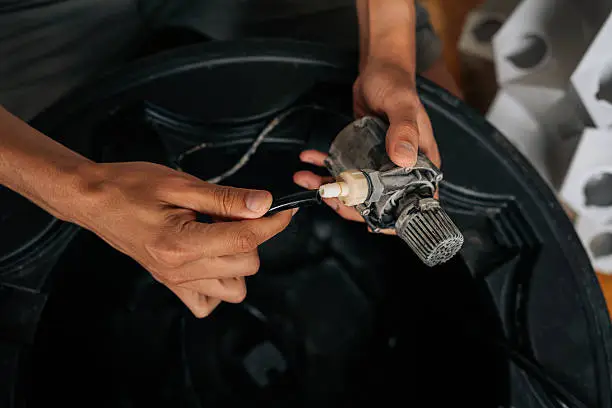
Common Sump Pump Problems
1. Mechanical Wear and Aging
Most sump pumps last 7-10 years, after which mechanical components like motors, impellers, and float switches may fail.
Signs of wear: unusual noises, irregular cycling, or a pump that won’t activate.
Solution: Conduct regular tests by pouring water into the pit to trigger the pump. If the pump struggles or fails to operate, replacement is recommended to avoid unexpected flooding.
2. Clogged Intake or Discharge Lines
Debris, dirt, and sediment can accumulate in the sump basin or discharge pipe, preventing efficient water removal. Regular sump pump repair and maintenance help clear these blockages and ensure the system operates effectively.
Why it happens: Soil, leaves, and runoff debris can obstruct the pump or pipes, especially during heavy storms.
Solution: Inspect and clean the sump pit and discharge lines twice a year. Use protective screens and check valves to minimize blockages. Ensure discharge outlets direct water at least 5-10 feet away from the foundation.
3. Power Outages and Backup Failures
Sump pumps rely on electricity, making them vulnerable during power outages often when rainfall is heaviest. Regular sump pump repair and inspection can help ensure your system is reliable and ready to operate even under challenging conditions.
Solution: Install a battery-powered or water-powered backup pump. For high-risk areas, consider a dual-pump system with alarms to alert you of rising water. This ensures continuous protection even during storms or blackouts.
4. Undersized Pump Capacity
A pump that cannot handle the volume of incoming water will struggle during heavy rain or rapid snowmelt. Timely sump pump repair can address capacity issues and ensure your system efficiently removes excess water.
Signs: constant operation during storms, slow drainage, or failure to keep the basement dry.
Solution: Upgrade to a higher-capacity pump based on local rainfall averages and the size of your basement. A professional assessment ensures proper sizing to handle peak water volumes.
5. Poor Drainage Around the Home
Even the best sump pump can fail if exterior drainage is inadequate. Soil that slopes toward the foundation, clogged gutters, or downspouts that discharge too close to the home increase water pressure around your basement.
Solution: Maintain proper yard grading, extend downspouts, and consider exterior drainage solutions such as French drains to relieve hydrostatic pressure.
Preventive Maintenance Tips
- Regular Testing: Trigger the float by pouring water into the pit quarterly.
- Basin Cleaning: Remove sediment and debris to prevent clogging.
- Discharge Check: Ensure water flows away from the foundation.
- Pump Replacement: Replace pumps older than 7–10 years before failure.
- Backup Systems: Install battery or water-powered backup pumps.
- Landscape Grading: Maintain proper slope and gutter management.
These practices not only extend the pump’s life but also reduce flooding risk, which data shows affects nearly every basement at some point.
Conclusion
Sump pump repair and maintenance are not optional; they are essential for preventing basement flooding and costly water damage. By understanding common issues, performing regular inspections, and installing backups, homeowners can protect their property and enjoy peace of mind. Proactive care ensures that your sump pump remains a reliable guardian against water intrusion.
Frequently Asked Questions
Q1: How often should I test my sump pump?
Test quarterly by pouring water into the pit. Verify that the float triggers the pump and drains water completely. Conduct a full maintenance check annually.
Q2: How long does a sump pump typically last?
7-10 years. Mechanical wear increases failure risk after this period. Preemptive replacement is recommended.
Q3: Can a sump pump prevent all basement flooding?
Not always. Exterior factors like soil type, grading, and downspout placement also affect flooding risk.
Q4: What should I do if my sump pump fails during a storm?
If water is rising, use portable pumps or wet/dry vacuums to remove water. Install alarms and backup pumps to prevent future emergencies.
Q5: Should I invest in a backup sump pump?
Yes. Battery-powered or water-powered backups provide protection during outages, while alarms offer early warning of rising water levels.