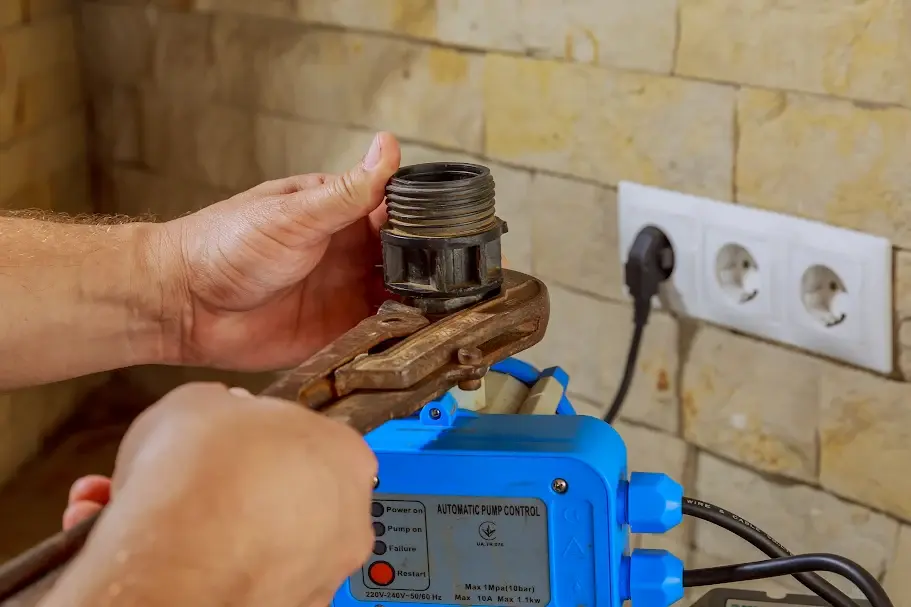
For residents located in rainy areas, having a sump pump can be a lifesaver for strong foundations during the wet season. But your machine needs to work well for that. While it’s always better to call experts when you notice a major issue, the trick to finding any potential problems is to run a sump pump inspection yourself. If you’re a responsible homeowner wanting to prepare yourself for freezing winter rains or frequent summer showers, Sump Pump Wizards has listed things like checking for rust and ensuring the float switch doesn’t get stuck to keep your homes safe and flood-free.
DIY Sump Pump Inspections: Expert Tips From Reliable Technicians
Your sump pump is a complex combination of switches, triggers, gears and cables. And each component needs to operate in harmony to keep your basement dry and strong. This is where sump pump inspections step in. Although only experienced technicians have the tools and knowledge required for thorough assessments, homeowners can conduct some preliminary tests to check the performance of their pumps if they know what they’re doing.
Here is a look at how you’d go about testing your sump pump.
-
Step 1: Clear The Pit
The first thing you should do in Kent, WA is clean the pit of any standing water and debris. Simply remove the lid and carefully scoop everything out to ensure your pump is working properly and that nothing is obstructing the drainage.
-
Step 2: Assess The Pump
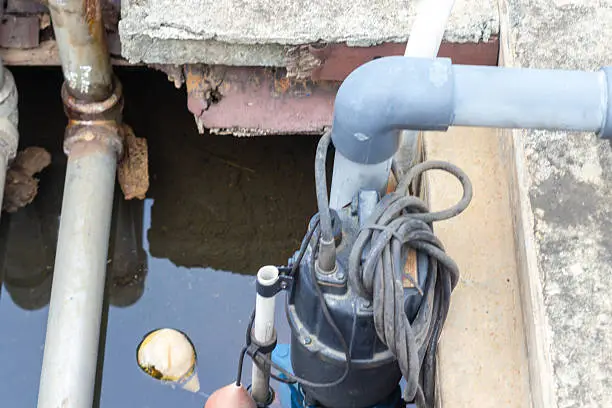
After replacing the lid, take a moment to glance at your sump pump. Keep your eyes peeled for signs of rust, corrosion or other physical damage that might indicate a problem later on.
-
Step 3: Examine Float Switch
Next on your sump pump inspection checklist is to ensure that your float switch is operating obstruction-free. If something blocks its path, it won’t be able to activate the pump or stop it when needed.
-
Step 4: Check The Discharge Pipe
With that done, assess your discharge pipe. Make sure that the discharge pipe is pointing away from your house’s foundations and that there’s nothing clogging it that would disrupt waterflow.
-
Step 5: Check Power & Connections
Now make sure that the sump pump is securely connected to the nearest power source. And while you’re at it, it’s a smart idea to ensure that the GFCI outlet and the cord don’t have any visible signs of wear and tear that could turn into future disasters.
-
Step 6: Conduct A Rain Test
Next, you should test its functions. Slowly pour a bucket of water into the pit and wait for the sump pump to start. It should automatically start up and quickly drain all the water from the sump pit before turning off.
-
Step 7: Check For Abnormalities
If you hear grinding or gurgling sounds as the sump pump runs or if the sump pump doesn’t shut off on its own, there’s something wrong with the internal mechanism, and it needs to be checked by a professional.
-
Step 8: Check The Check Valve
-
Step 9: Assess Surroundings
-
Step 10: Document The Results
-
Step 11: Contact Professionals
Conclusion
In short, conducting a sump pump inspection isn’t difficult; it just demands that homeowners know what to do. You should check the connections, clear the pit and do a rain test before noting down everything you found somewhere safe. Contact reliable sump pump technicians if something is wrong with your machine and keep your home and loved ones safe.
FAQs
How often should I have my sump pump professionally inspected?
Depending on its age and frequency of use, schedule a sump pump inspection at least 1-2 times a year.
How long does a sump pump inspection take?
It only takes a few minutes to assess your sump pump yourself, but a professional one takes longer.
What is the lifespan of a sump pump?
With the right maintenance, a quality sump pump can last from 7 to 10 years.
How do I test if my sump pump is working properly?
Pour water into the sump pit until the pump activates. Ensure it pumps water efficiently and shuts off automatically when the pit is empty.
How do I clean and maintain a sump pump during inspection?
Remove debris, clean the pump inlet, and clear the pit of sediment. Proper maintenance ensures smooth operation and prevents clogs.